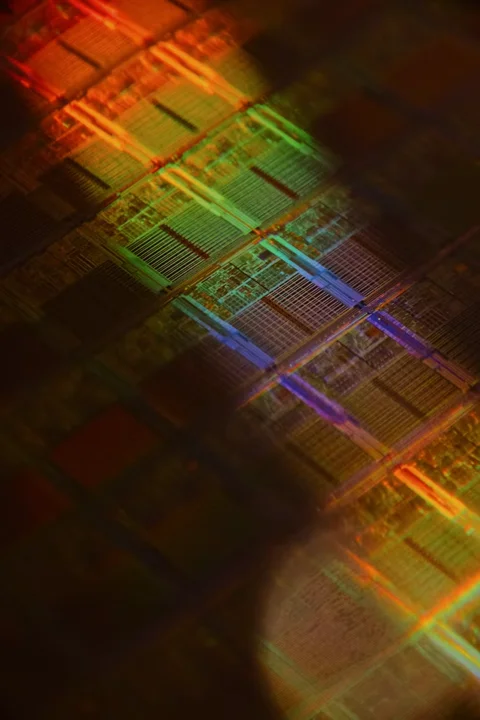
Semiconductor Equipment
Begin with the process requirement. Bring optical performance, positioning feedback and integrated motion into the same engineering conversation.
Explore the market
Markets
Four priority markets for optics, encoders and engineered motion, with space applications as a further area of manufacturer expertise.

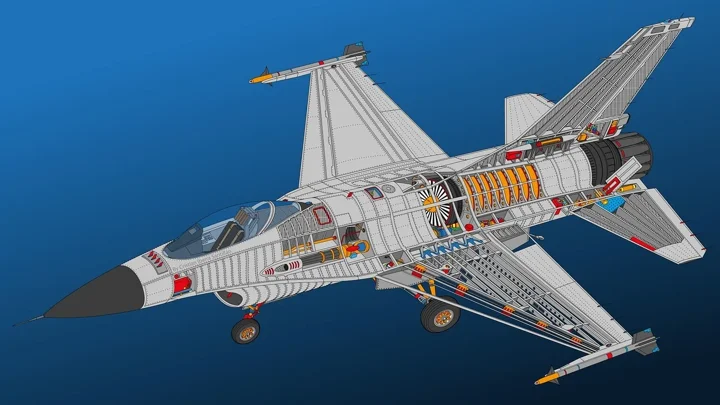
Begin with the process requirement. Bring optical performance, positioning feedback and integrated motion into the same engineering conversation.
Explore the market
Joint architecture, feedback and motion performance are connected decisions. Start with the machine task and its operating cycle.
Explore the marketTranslate the instrument or system requirement into an optical, feedback or motion brief with clear interfaces and validation needs.
Explore the marketDefine the operating environment and acceptance requirements early, before selecting optics, position feedback or motion hardware.
Explore the marketFurther applications / space
POG, FLUX and Lin Engineering describe technologies for space-related requirements. These references show the depth of their engineering work and provide a starting point for a mission-specific discussion.

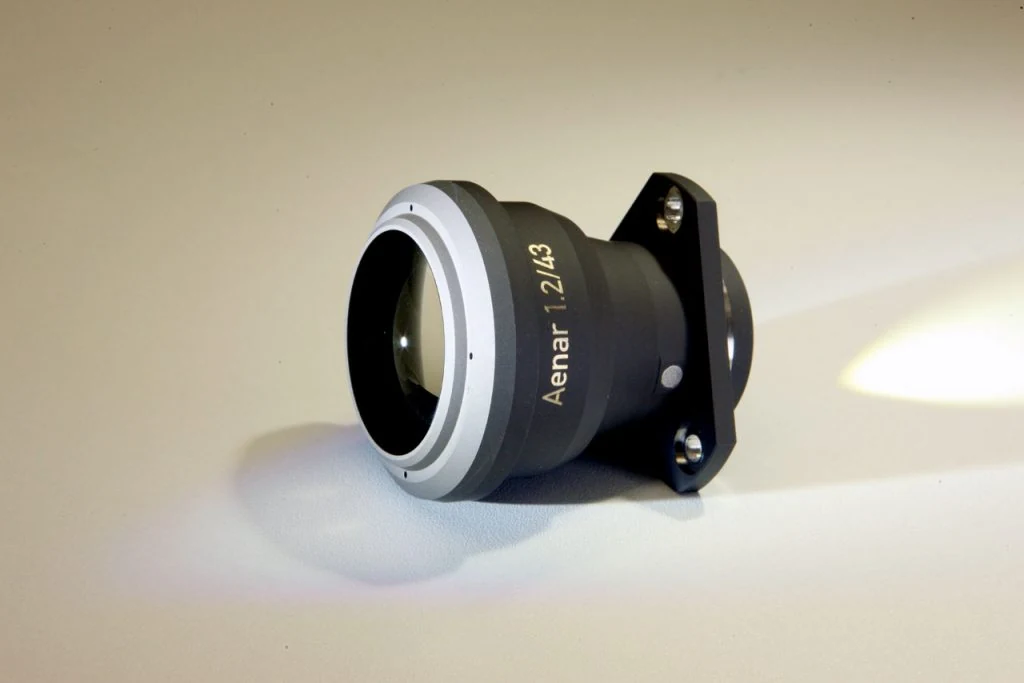
POG
POG documents star-sensor objectives for satellite orientation and optics for environmental observation.
POG space optics references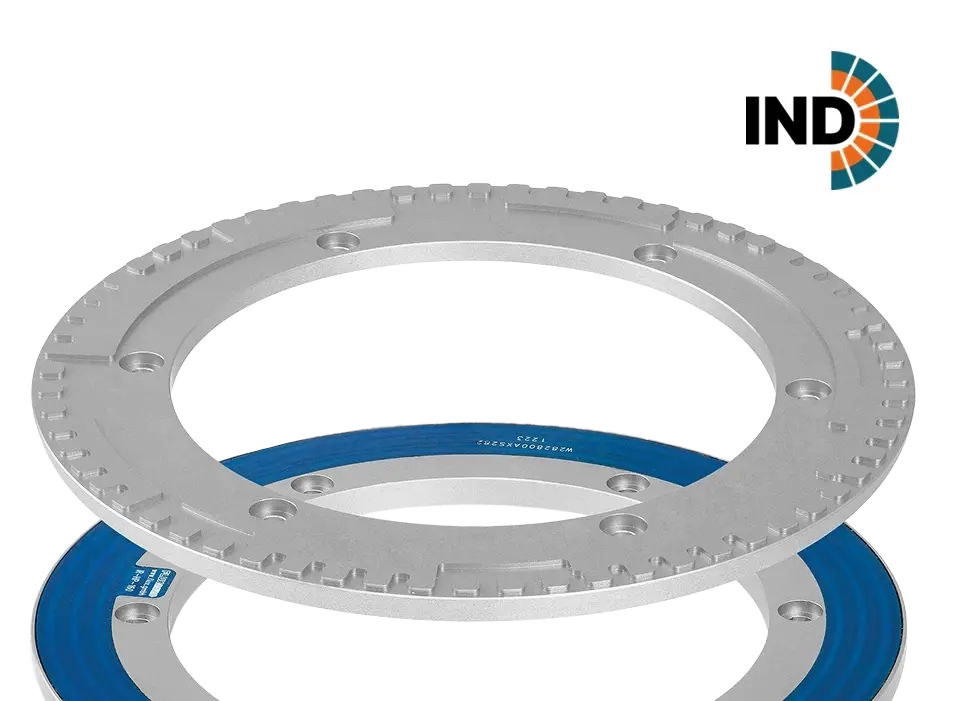
FLUX
FLUX describes IND-MAX absolute inductive encoders for satellite communication and spacecraft operations. A compact design and large hollow bore support integration; vacuum-compatible, low-outgassing variants are available for project review.
Explore IND-MAX integrationFLUX IND-MAX space information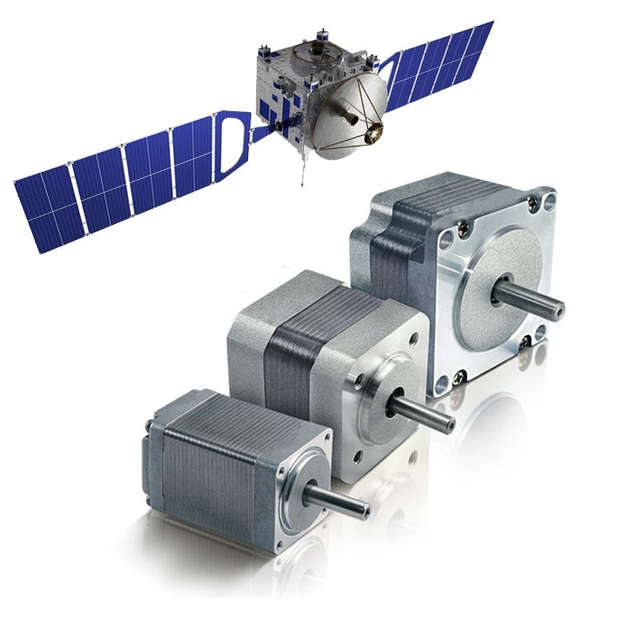
Lin Engineering
Lin Engineering has a dedicated space-motor range addressing thermal, vibration and contamination requirements.
Lin Engineering space motor range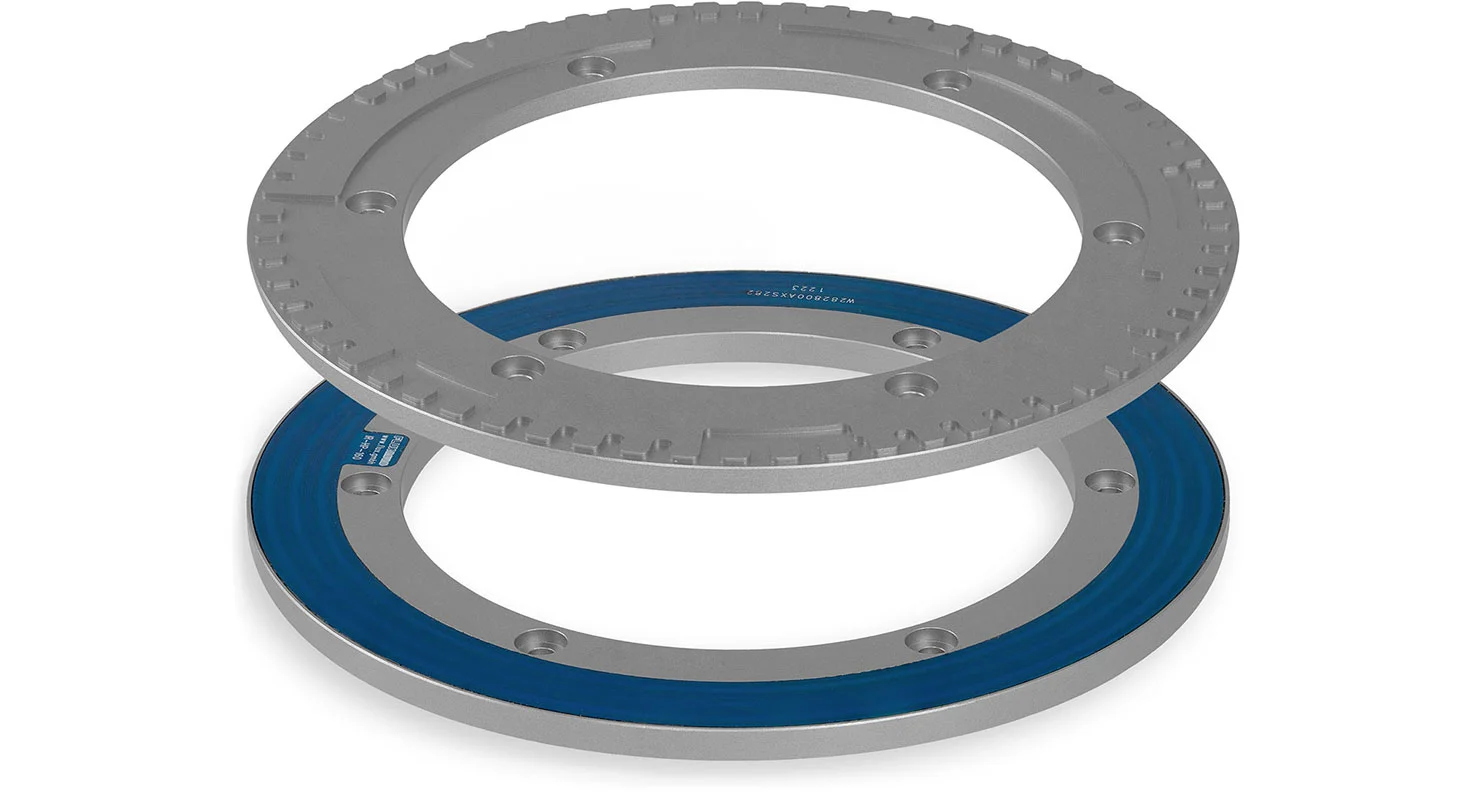
FLUX / encoders for space applications
FLUX identifies IND-MAX for satcom terminals and spacecraft mechanisms, where position feedback must fit both the mechanical envelope and the operating environment.
Bring vacuum and outgassing limits, temperature range, shock and vibration loads, radiation requirements, interfaces and qualification criteria. Confirm flight qualification and radiation tolerance for the selected variant with FLUX.
Review encoder resolution and interfaces · FLUX IND-MAX product information · FLUX space-application reference
Mission suitability, materials, testing and qualification are specific to the selected product and programme. These references do not imply that every optic, encoder or motor is space-qualified.
Discuss a space application